

Inside the craft
How fireworks get their colors (and why blue is the hardest)
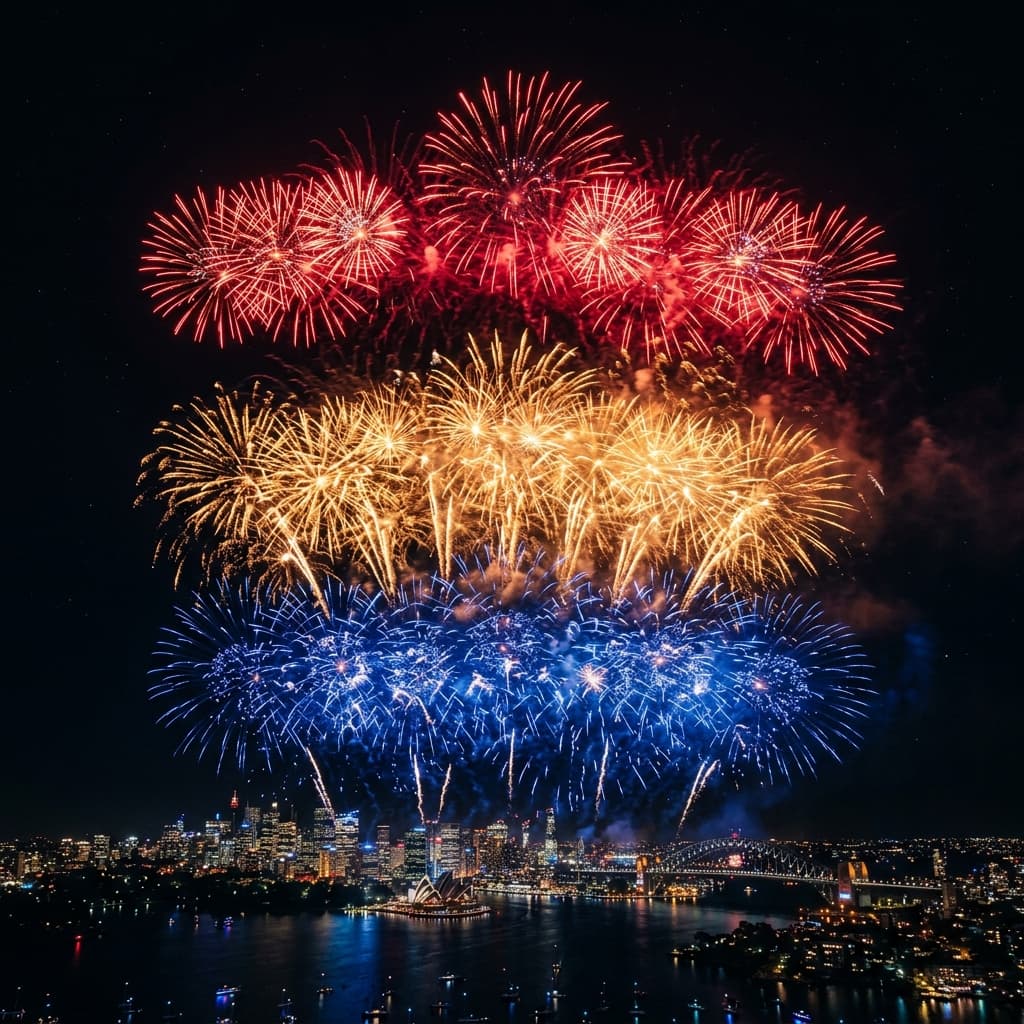
Every color in a fireworks display comes from a metal. A pinch of strontium makes red, barium makes green, copper makes blue — heat them hot enough and their atoms release light in that metal's own signature color. That is the whole secret, and once you know it, you never watch a show the same way again.
The color is baked into the "stars"
Inside an aerial shell are small pellets called stars. Each star is a little recipe: fuel that burns, an oxygen-giver so it burns fast and bright, a binder to hold it together, and the colorant — a metal salt. When the shell bursts open high in the sky, the stars ignite and fly outward. Every streak of light you see is one star burning its color as it goes.
Which metal makes which color
Here is the cheat sheet pyrotechnicians everywhere work from:
- Red — strontium salts (lithium gives red too)
- Orange — calcium salts
- Yellow — sodium compounds
- Green — barium compounds, with a little chlorine in the mix to sharpen the color
- Blue — copper compounds, also with chlorine's help
- Purple — strontium and copper together: red plus blue in one star
- Silver and white — magnesium, aluminum, or titanium burning white-hot
- Gold — glowing sparks of charcoal or iron
The science in one sentence: the flame's heat charges up the metal's atoms, and as they settle back down they release that energy as light, always in the one color that metal can give. Sodium can only glow yellow. Strontium can only glow red. The metal decides; the flame just asks.
Why blue is the hardest color in fireworks
Ask any fireworks maker which color separates good from great, and you will hear the same answer: blue. The copper compound that actually glows blue only forms inside the flame, and it is fragile — too cool and the star looks dim and muddy, too hot and the blue breaks apart and washes out. Science writers who cover pyrotechnics put it roughly like this: copper's blue starts falling apart at around 1,000°F (about 540°C), while strontium's red can take about 1,500°F (about 815°C). That narrow window — hot enough to shine, cool enough to keep its color — is why a deep, saturated blue on a black sky is the quiet pride of the fireworks world.
How gold and silver sparks work
Colored stars work like colored flames. Gold and silver work like embers from a bonfire. The long golden trails of a willow are tiny bits of charcoal or iron glowing as they fall, and bright silver comes from flakes of aluminum, magnesium, or titanium burning white-hot. That is also why golds linger and cascade while colors flash and fade — an ember keeps glowing all the way down.
Fireworks colors are brighter than they used to be
You are not imagining it. In the 1830s, makers in southern Italy began pairing metal salts with chlorine-rich ingredients and a new, hotter-burning oxidizer, and fireworks colors turned deep and bright for the first time. In recent decades, an aluminum-magnesium alloy called magnalium pushed them further still — chemists describe modern colors as almost fluorescent. Cleanliness matters too: even a trace of stray sodium floods a star with yellow and muddies every other color, so a careful mixing room shows up in the sky.
What to watch for at the next show
Color chemistry is more fun when you can spot it live. At your next town fiesta, Media Noche countdown, or pyromusical, try this:
- Watch a peony or chrysanthemum burst and count the colors. If a burst changes color midair, that was a layered star burning from its outer layer to its core.
- Catch a willow or kamuro and enjoy the long golden hang time — that is the ember trick.
- Follow a crossette as each star splits into smaller bursts.
- Then hunt for the rare ones: a true deep blue, or a rich purple, which means the maker landed blue and red in a single star.
We make all of these in-house — chrysanthemums, peonies, willows, palms, crossettes, kamuros, comets, Roman candles, and fountains — and you can see the lineup on our products page. And to take the colors home, our guide to photographing fireworks can help.
If all this has you picturing proper blues over your own celebration — a fiesta, a debut, a New Year countdown — we would be glad to design it with you. Tell us what you are planning and we will reply within one working day.
Fireworks questions are our favorite kind. If this guide left you wondering about your own event, venue, or budget, send it our way — advice is free.
Plan a displayKeep reading more from the journal
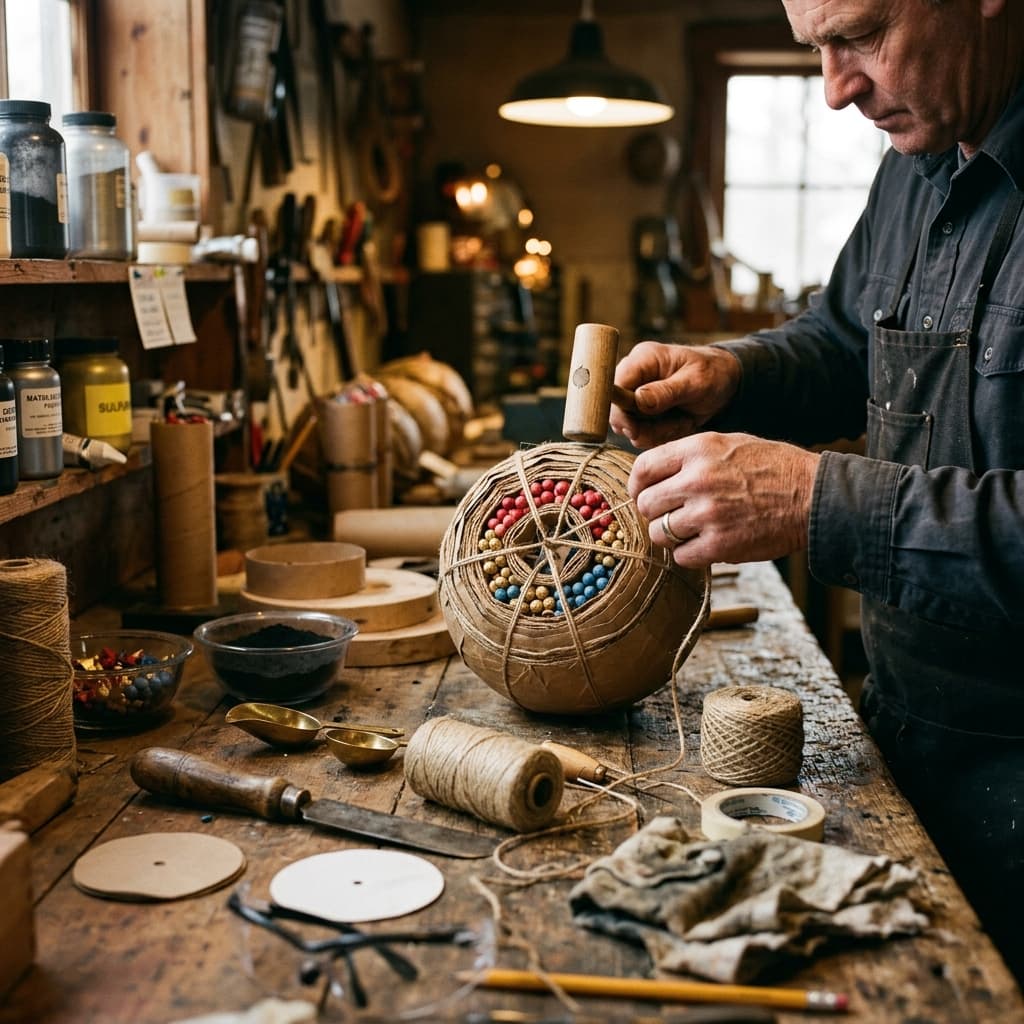 Inside the craftHow a fireworks shell is made by handInside our Cabuyao workshop: how we build a traditional aerial shell by hand — casing, stars, lift and burst charges, and the slow drying behind every bloom.Read this
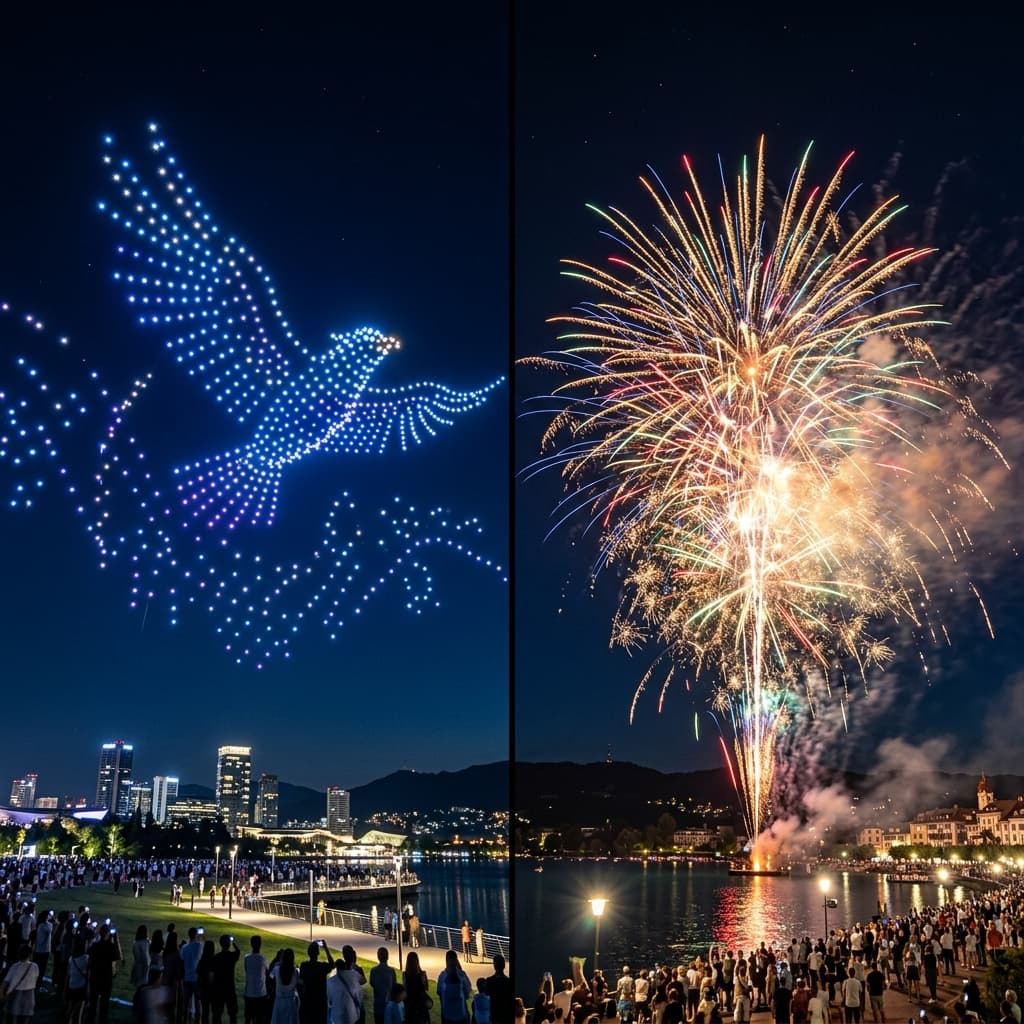 Event guidesDrone light show or fireworks display: which fits your event?We stage both drone light shows and fireworks. An honest comparison of sound, venues, weather, animals, and storytelling to help you pick the right one.Read this
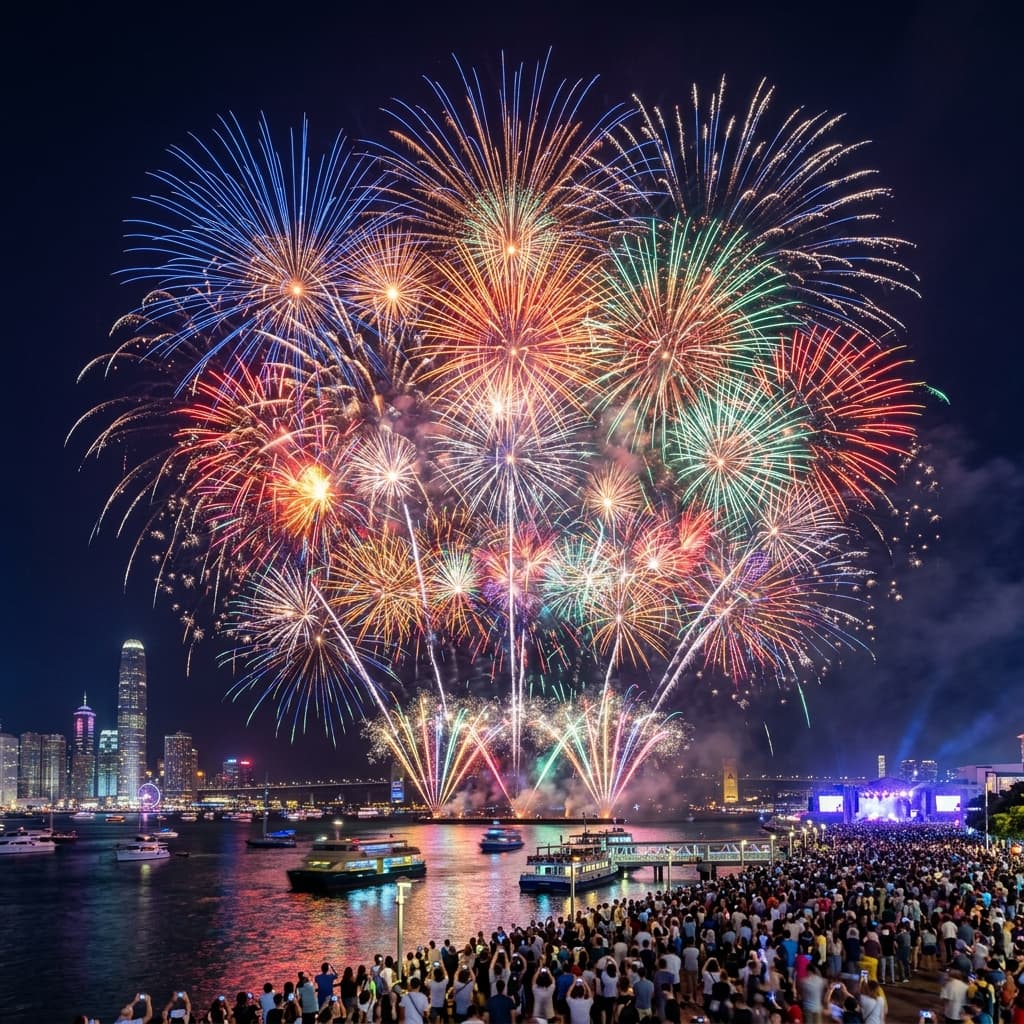 Event guidesWhat is a pyromusical? Fireworks that follow the musicHow computer-fired fireworks sync to a soundtrack, what music works best, and what it takes to bring a pyromusical to your own event.Read this