

Safety guides
How to keep your dog or cat calm during fireworks season
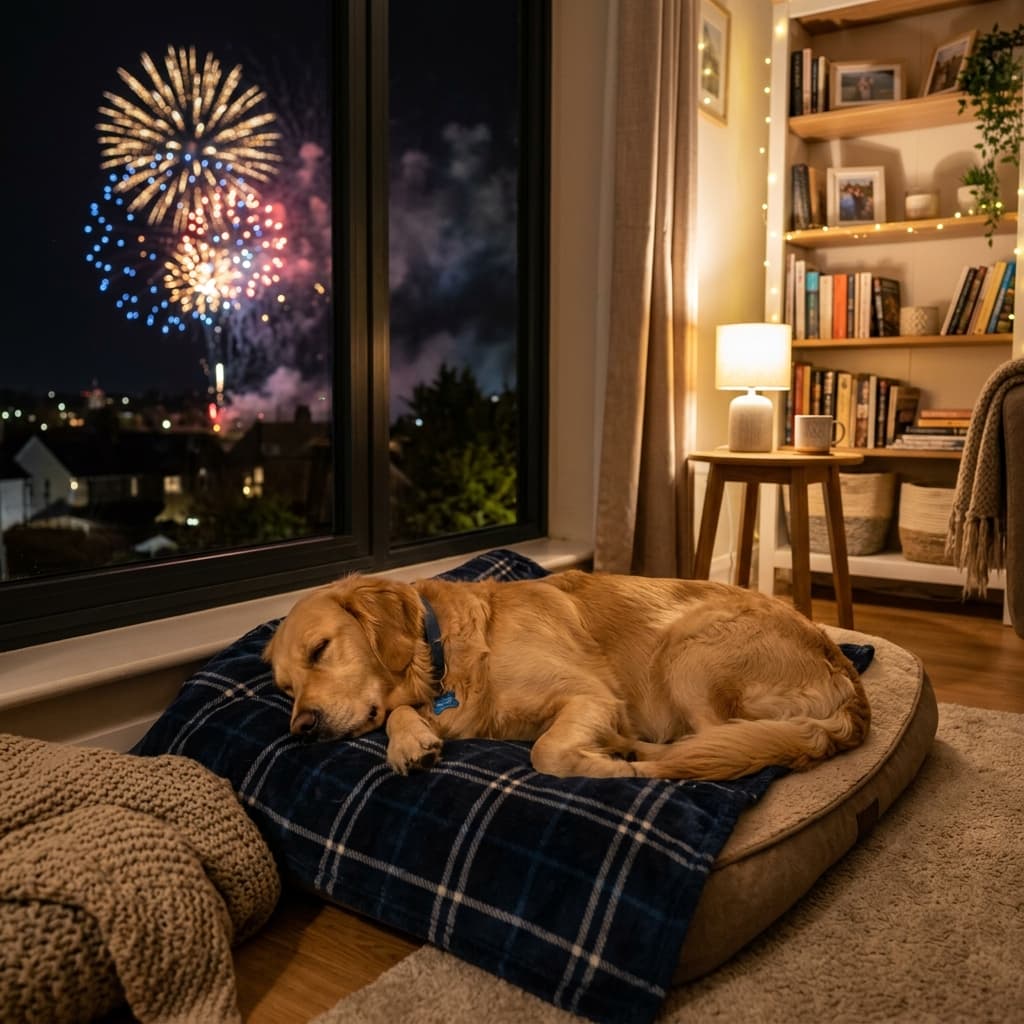
We make fireworks for a living, and at the end of the day we come home to dogs like everybody else. So every December, friends and neighbors ask us the same thing: how do I keep my pet calm once the whole barangay starts lighting up? In short: prepare a quiet room early, keep pets indoors with the noise masked, stay calm yourself, and never punish the fear — here is the full guide, from veterinary and animal-welfare advice and our own homes in Cabuyao.
Why fireworks scare dogs and cats so much
Dogs and cats hear higher-pitched and much fainter sounds than we do, so a bang that is loud to us is overwhelming to them. They also cannot tell where the sound comes from or when the next one will land, and that unpredictability is what sets off the panic.
Fear of fireworks is common, not a sign of a "bad" pet. The RSPCA, a British animal charity, estimates that almost half of dogs show signs of fear at fireworks.
What to do in the days before New Year's Eve
A little preparation goes much further than anything you can do at 11 p.m. on December 31.
- Set up a safe room. Pick a quiet room away from the street. Put your pet's bed, water, a worn shirt that smells like you, and a couple of favorite toys in it. For cats, add a covered hiding spot up high, like a box on a shelf or a cat tree.
- Practice with recorded firework sounds. Play firework audio very softly while your pet eats or plays, then raise the volume a little each day. Done gradually, this teaches many pets that the sound means nothing bad. Start early — it takes weeks to months, not one evening.
- Update the ID tag and microchip. Make sure the collar tag shows your current number, and that the microchip record has your current details. Clear ID is what brings escaped pets home.
- Call your vet now if last year was bad. Clinics get busy in late December, so book early.
On the night itself: a simple checklist
- Walk your dog in the late afternoon, before dusk. Let them run, eat, drink, and do their business at least an hour before the noise begins.
- Bring all pets indoors before dark and keep them in. Close windows, curtains, and doors, and block the cat flap if you have one.
- Turn on the TV, radio, or a fan at normal volume to soften the bangs.
- Stay home if you can, and stay relaxed. Pets read your reaction, and it is perfectly fine to comfort them calmly.
- Offer a long-lasting treat or a food puzzle as a distraction.
- Never scold or punish a frightened pet. They cannot help the fear, and punishment only makes it worse next year.
For cats: hiding is coping, so let them hide
Cats handle fear differently. A scared cat wants to disappear into a small, dark, covered place, often somewhere high, and that is healthy coping, not a problem to fix. Never pull a hiding cat out to comfort it; that only adds a second fright on top of the first.
Give your cat several hiding options, keep them indoors after dark through fireworks season, and place water and the litter box within easy reach of their favorite spot. Then leave them be. Most cats come out on their own once the noise stops.
When to ask the vet about anxiety medicine
Some pets are nervous; some are truly terrified. If your dog or cat trembles for hours, drools, refuses food, soils the house, or hurts itself trying to escape, that is beyond what home tricks can fix. Talk to your veterinarian well before the holidays. There are anti-anxiety medicines made for pets, and vets can also recommend longer-term training. Never give a pet human medicine on your own.
The morning after: sweep before you let them out
On January 1, yards and sidewalks are littered with spent firecrackers, wrappers, and sometimes duds that failed to go off — and dogs investigate everything with their mouths. Before the first walk of the year, do a quick sweep of your yard and street front. Our New Year safety guide explains how to handle duds safely, and if anyone in the family, two-legged or four, picks up a minor burn, our first-aid guide covers the right first steps.
One honest note from a fireworks family
Something we believe, even though we sell fireworks: a community display that is short, scheduled, and announced in advance is far kinder to a neighborhood's animals than firecrackers popping off house by house until 3 a.m. When everyone knows the show runs from midnight to 12:20, every pet owner can prepare. That is one more reason we encourage one good display for the whole barangay instead.
If your community is thinking about doing exactly that this New Year, send us a message. We have been making and firing our own fireworks since 1948, and we answer every inquiry within one working day. Your dog will cope better with twenty minutes of beauty than a whole night of bangs — and honestly, so will you.
Fireworks questions are our favorite kind. If this guide left you wondering about your own event, venue, or budget, send it our way — advice is free.
Plan a displayKeep reading more from the journal
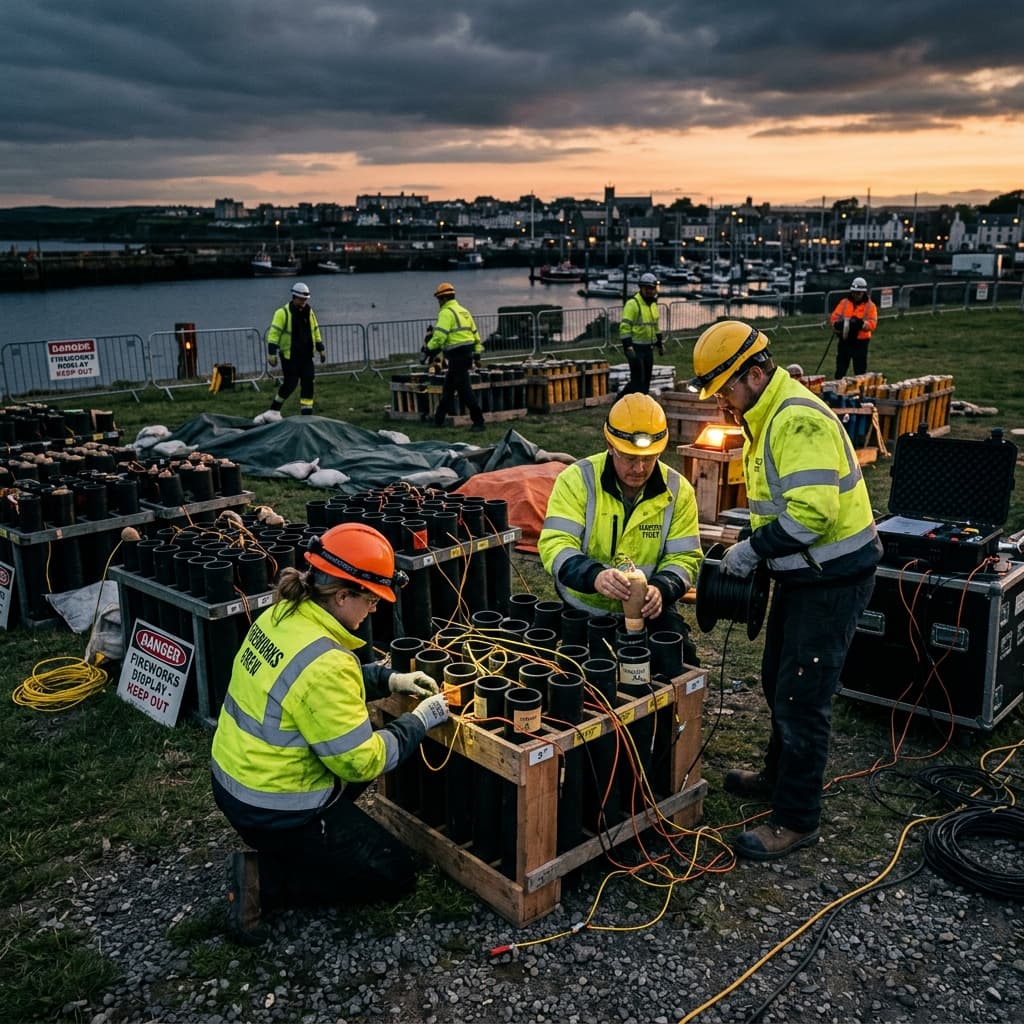 Safety guidesHow a professional fireworks display is kept safePermits, safety zones, weather calls, and what our crew actually does before, during, and after a show — a look behind the scenes of display safety.Read this
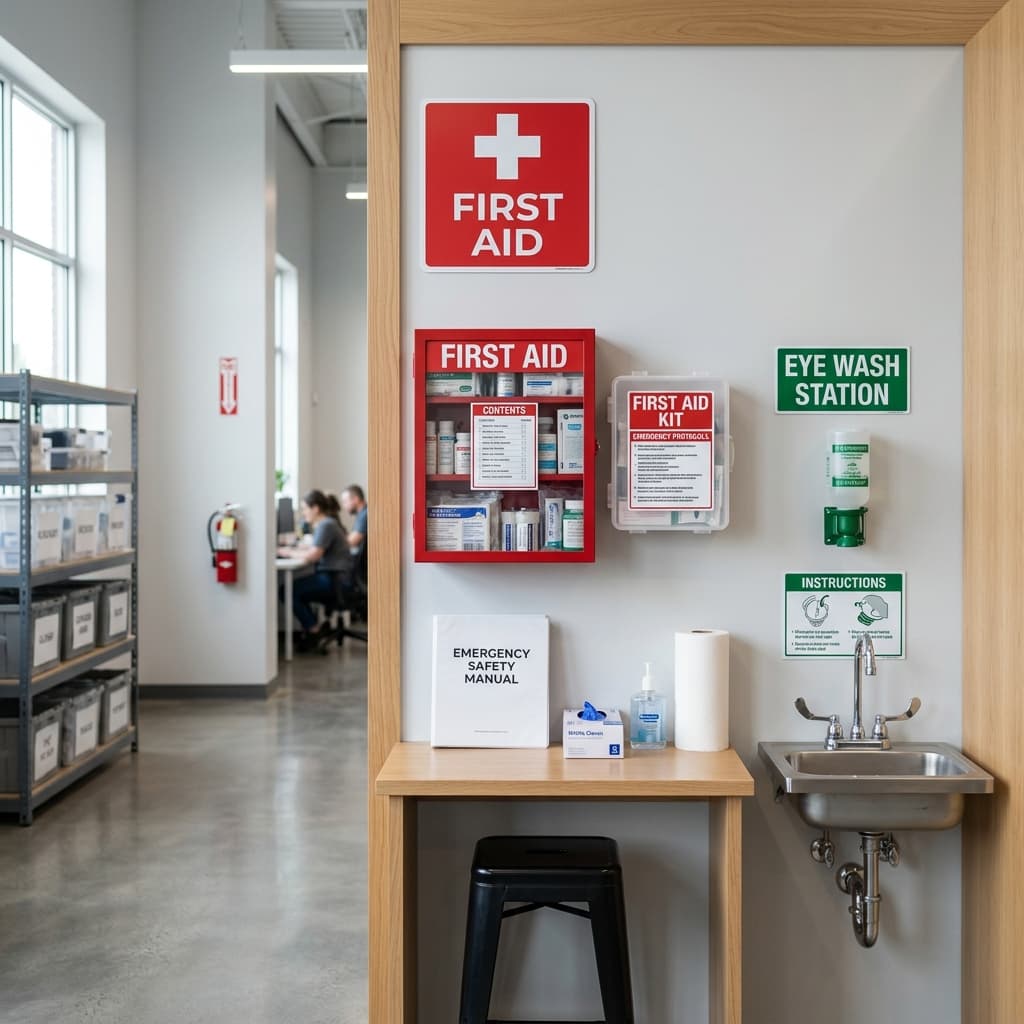 Safety guidesFirst aid for fireworks burns and injuriesThe first minutes matter most. What to do for burns, eye injuries, and blast wounds — and the common home remedies that make things worse.Read this
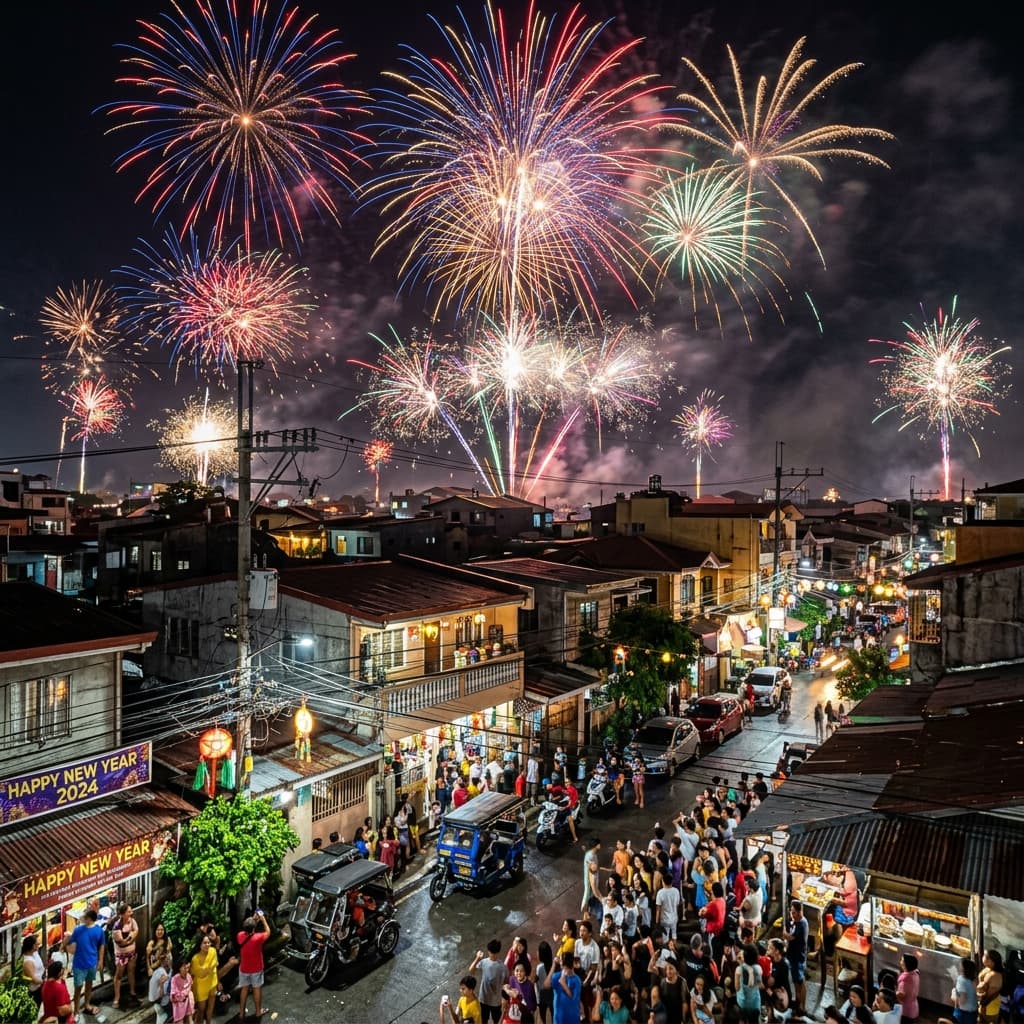 Safety guidesNew Year fireworks safety at home: a guide for Filipino familiesSimple, practical rules for a fun and injury-free Media Noche — what to buy, what to avoid, how to set up your space, and how to keep the kids safe.Read this