

Tips
Fireworks display checklist for event organizers
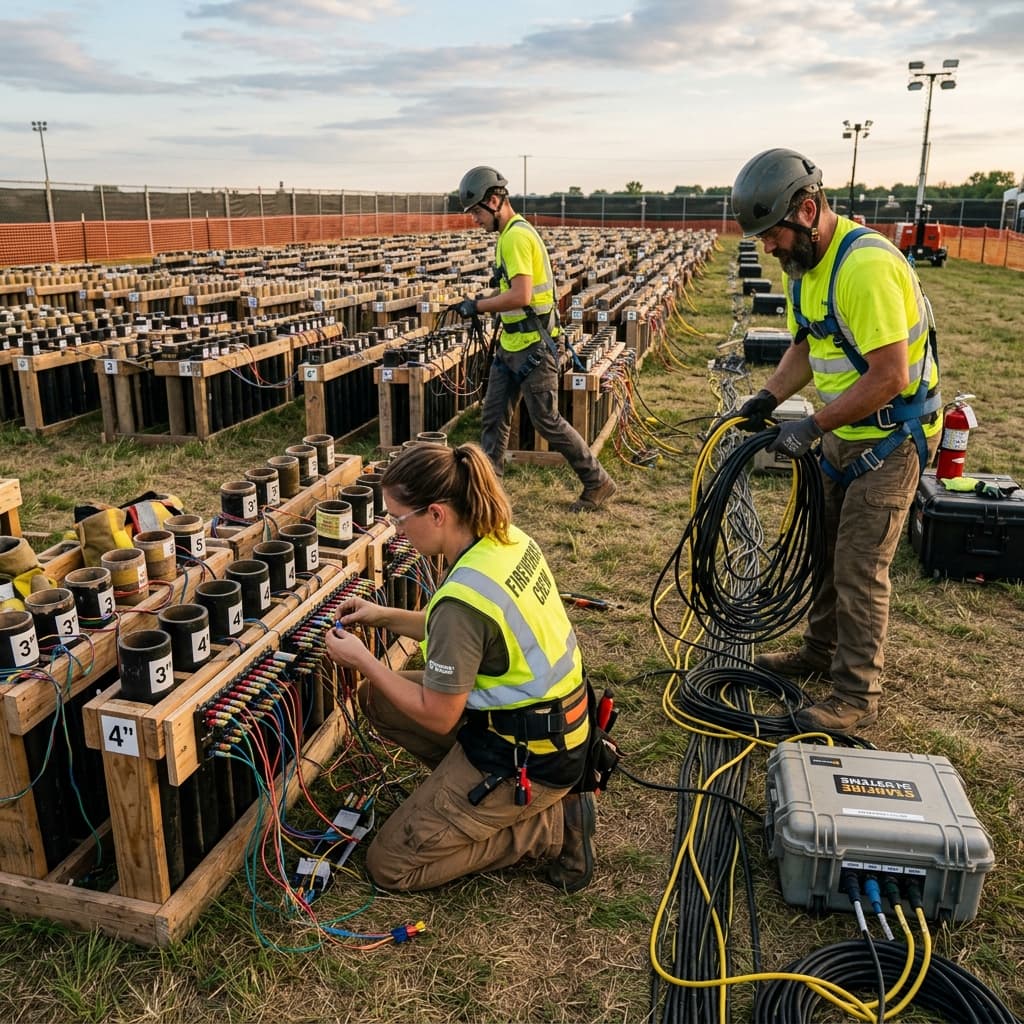
A fireworks display looks like a one-night event, but the smooth ones are won in the weeks before. After more than 75 years of firing shows around the Philippines, we know which preparations make an organizer's life easy. Here is the checklist we wish every organizer had pinned to their wall.
2 to 3 months before: lock in the big decisions
The earlier you start, the more choices you have.
- Set a budget range. An exact amount can wait, but a range lets a display company suggest what fits. Our guide on what shapes the price of a fireworks display shows where the money really goes — duration, shell sizes, and crew.
- Fix the date — and a rain plan. Agree now on what happens if the weather turns: push the start time, move to the next evening, or set a backup date. Decide this while everyone is calm. Our venue guide explains what makes a site fireworks-friendly in the first place.
- Choose a licensed display company. Before you sign anything, check three things.
- Licenses. Ask to see them. A legitimate operator shows them gladly — ours are posted in our website footer, and the shells we fire come from our own workshop in Cabuyao, Laguna.
- Permits. Ask who processes the fireworks display permit. The display company should handle this, not you.
- Safety. Ask how they keep the firing site safe. Our article on how professional displays are kept safe tells you what a good answer sounds like.
Planning a town fiesta? Our fiesta planning guide covers the committee side in detail.
1 month before: paperwork and program
- Get the venue confirmation in writing. A signed letter or email saying yes — fireworks are allowed, on this date, in this area. Verbal okays have a way of disappearing.
- Make sure permits are moving. We process the display permit on our side, but you are the one with the relationship with the LGU (the local government unit) and the venue. A quick word from you opens doors faster than a call from a stranger.
- Lock the program timing. Decide the exact moment the display fires and what leads into it — a countdown, a toast, the debutante's last dance. The crew builds the show around that moment.
- Confirm the sound system if your show is a pyromusical. A music-synced show needs speakers that properly cover the audience area, not just the stage. Our plain-English explainer covers the rest.
The week of the show: cues, one voice, and a crowd plan
- Walk through the final cue plan with the crew. Agree on what the display follows — a countdown, an emcee's line, a moment in the program — and who says it.
- Pick one person to own the GO signal. Shows get messy when three people each think they are in charge. One organizer gives the go; the crew chief fires.
- Prepare your announcements. Tell guests where to watch from and remind them that the firing area is off-limits.
- Set the crowd line and assign marshals. Rope, tape, or barriers, plus a few marshals who keep the line honest — especially where children are watching.
Show day: let the crew make the safety calls
- Keep the firing zone clear. No guests, no parked vehicles, no photographers sneaking one shot inside the safety distance. (They can get better shots from outside the line anyway — here is how.)
- Leave the weather call to the crew. If wind or rain forces a hold or a change, that decision belongs to the crew chief. It is never a popular call, but it is how everyone goes home safe.
- Tell the crew about program delays early. A program running thirty minutes late is normal. A surprise is not.
After the show: wait for the all-clear
The display is not over when the last shell fades.
- The crew sweeps the firing site for any unfired material.
- Only after that sweep is the site released back to you.
- Keep guests and cleanup staff out of the firing area until the crew gives the all-clear.
The sweep usually does not take long — but it is the one step you should never rush.
The whole checklist in one glance
- 2 to 3 months out: budget range set, date and rain plan fixed, licensed company verified and booked.
- 1 month out: venue confirmation in writing, permits moving, program timing locked, sound system confirmed.
- Show week: cue plan agreed, one GO-signal owner, announcements ready, crowd line and marshals assigned.
- Show day: firing zone kept clear, weather call left to the crew, delays communicated early.
- After: site released only after the crew's sweep.
If you are still on the first item of this list, we would be glad to help with the rest. Send us your date, venue, and rough budget and we will reply within one working day with honest advice on what fits — we have been doing this as a family since 1948.
Fireworks questions are our favorite kind. If this guide left you wondering about your own event, venue, or budget, send it our way — advice is free.
Plan a displayKeep reading more from the journal
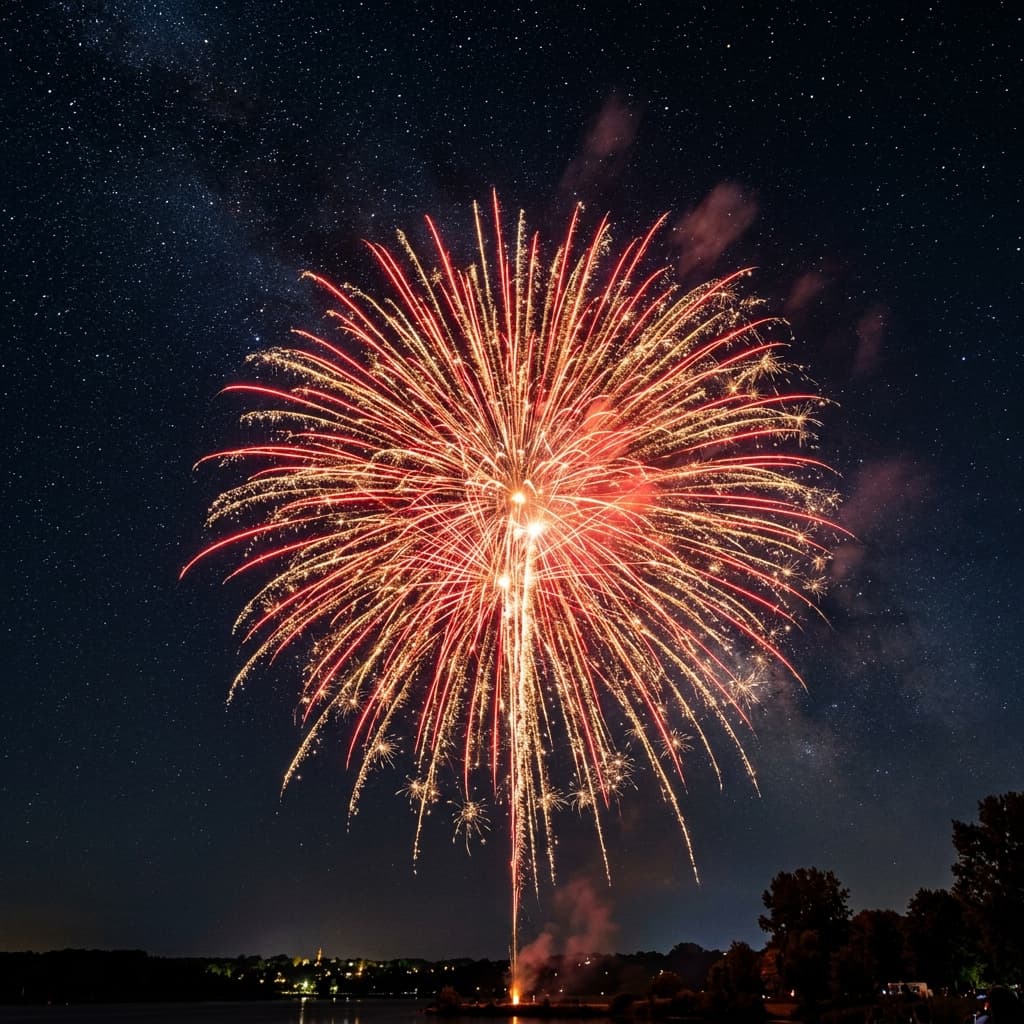 TipsHow to photograph fireworks (phone or camera)Real settings that work: how to get sharp, vivid fireworks photos with the phone in your pocket or a camera on a tripod — and the one mistake that ruins most shots.Read this
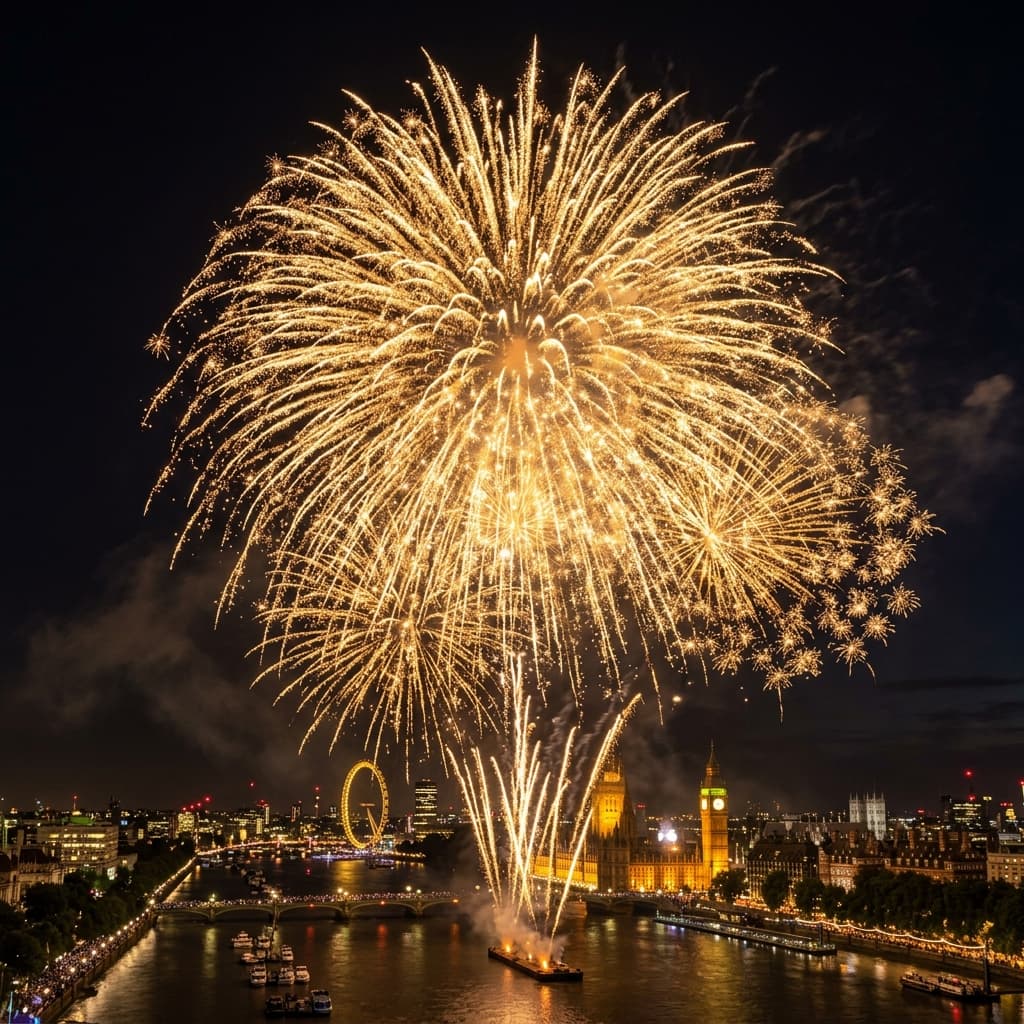 TipsWhat shapes the price of a fireworks displayShow length, shell sizes, the venue, music sync, permits — the five things that actually move the price of a display, so you can budget with your eyes open.Read this
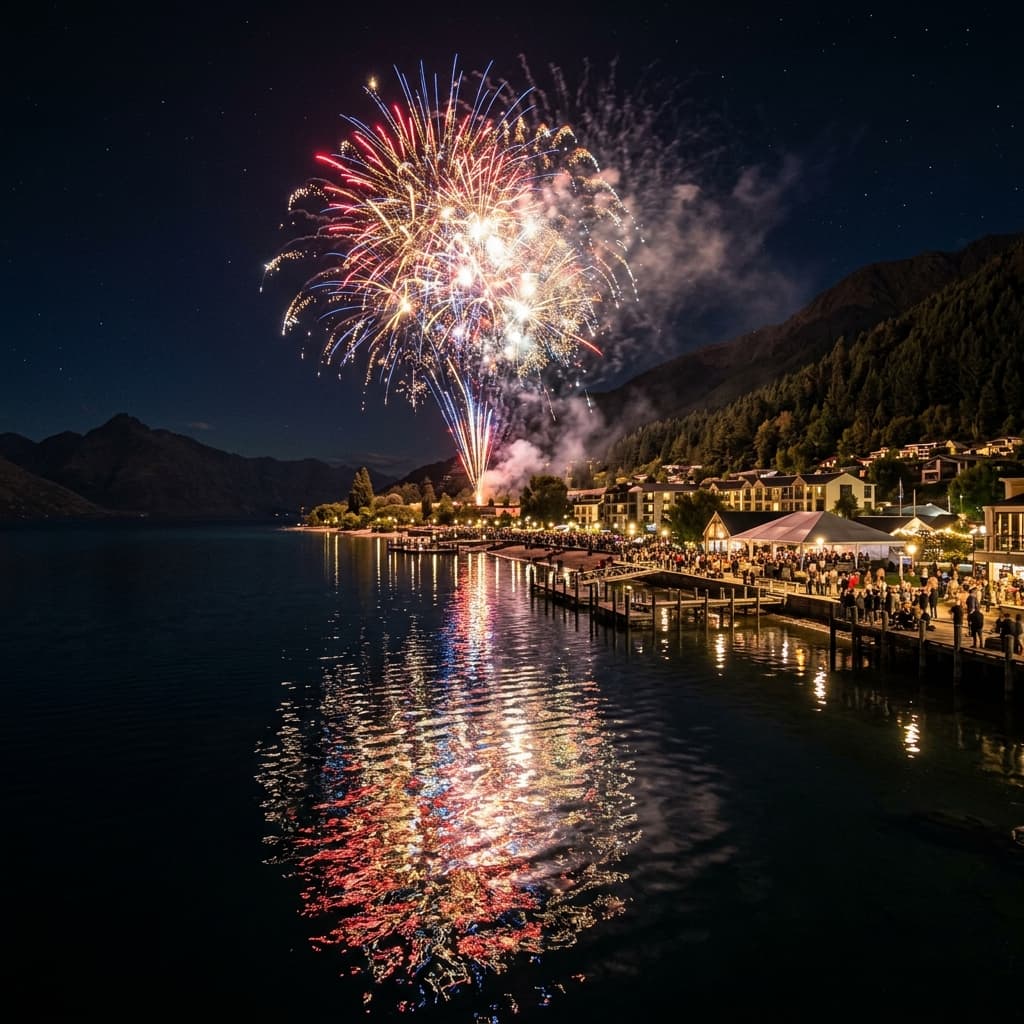 TipsHow to choose a venue that is great for fireworksOpen space, clear skies overhead, the right neighbors, and a bit of water if you can get it — what makes a venue work for a display, and the red flags to catch early.Read this