

Safety guides
Are fireworks legal in the Philippines? Rules in plain English
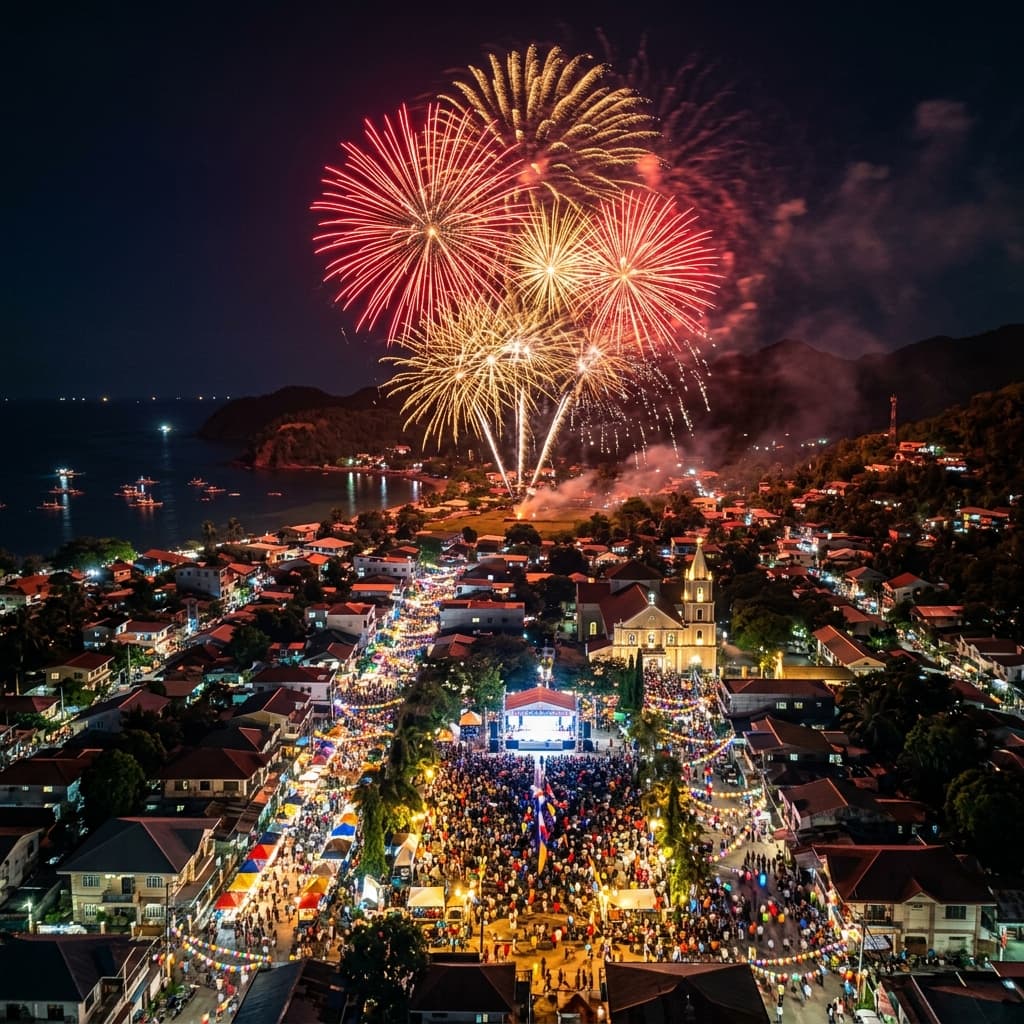
Every December the same question comes up: are fireworks actually legal in the Philippines? The short answer is yes — legal, but regulated, and the details surprise a lot of people. We have made fireworks in Cabuyao, Laguna since 1948, so here is the law in plain English, the way we explain it to our own relatives.
The quick answer
Fireworks are legal in the Philippines under Republic Act 7183, the 1992 law that regulates — not bans — their manufacture, sale, and use. The rules work in layers:
- RA 7183 permits specific firecrackers and pyrotechnic devices and bans overpowered ones.
- The PNP keeps the official banned list, updated almost yearly.
- EO 28 (2017) limits exploding firecrackers to permitted community displays; non-exploding items like sparklers may still be used outside them.
- Your city can be stricter. Davao bans them completely.
- Professional public displays are a separate, licensed activity — that is our work.
In practice, what matters most is local: what your own city allows this year.
What does RA 7183 actually allow?
The law spells out what may legally be made and sold. The permitted firecrackers — the kind that explode — include names every Filipino knows: the kwitis (sky rocket), bawang, small triangulo, baby rocket, and the regular-size judas belt. The permitted pyrotechnic devices — the kind that light up instead of exploding — include sparklers, luces, fountains, Roman candles, trompillo, and whistle devices.
The wording matters: small triangulo is allowed but the atomic or big version is banned, and a regular judas belt is allowed but the large size is banned. Size and explosive content are what the law polices.
Which firecrackers are banned?
Beyond that permitted list, the law bans overpowered devices, naming the atomic big triangulo and super lolo as examples of items too dangerous to sell. The current detailed list comes from the PNP and includes piccolo, watusi, pla-pla, giant bawang, the large-size judas belt, and novelty items like Goodbye Philippines and Super Yolanda.
Two deserve special mention:
- Piccolo. Though illegal, it has long been the leading cause of firecracker injuries in Department of Health reports, and many victims are children.
- Watusi. The original 1992 law actually permitted watusi by name; it is now on the PNP prohibited list. The small red sticks contain yellow phosphorus, and children sometimes mistake them for candy.
Selling or using banned items risks fines, jail time, and confiscation — and city ordinances add their own penalties.
What did Executive Order 28 change in 2017?
EO 28 did not ban fireworks nationwide, even though many remember it that way. It confined firecrackers — the exploding kind — to community displays meeting three conditions: held away from residential areas, supervised by a person trained and licensed by the PNP, and covered by a city or municipal permit stating the date, time, and place.
Just as important, non-firecracker pyrotechnics — sparklers, luces, fountains — may still be used outside community displays, subject to existing rules. That is why a child can still wave luces on New Year's Eve in many towns, while a string of labintador (firecrackers) must be part of a permitted community event. If home use is allowed where you live, our New Year fireworks safety guide shows how to do it safely.
Is it legal in my city? Check before you buy
National law is the floor, not the ceiling — your LGU (city or municipal government) can be stricter. Davao City is the famous example: a total ban since 2002 on the sale, possession, and use of both firecrackers and pyrotechnic devices. Quezon City and Manila do not ban everything, but they confine firecracker use to designated areas and permitted community displays. Rules change from year to year, so before Media Noche, ask your barangay hall or city hall what is allowed where you live.
Buy only from licensed dealers
Every legal step in this industry — manufacturing, dealing, retailing, and firing public shows — runs on licenses from the PNP Firearms and Explosives Office. Legitimate products are properly labeled and sold by licensed retailers, often in zones your LGU designates each December. An unlabeled item sold from a sack is the easiest red flag there is.
Everything we make in our Cabuyao workshop — peony, chrysanthemum, and willow shells, comets, Roman candles, fountains — is produced under our own manufacturer and dealer licenses. You can see the range on our products page.
Are professional fireworks displays legal? Yes — here is how
Professional public displays sit in a separate lane of the same law: a licensed display operator, a special display permit from the PNP, and the LGU's permit for the date, time, and place — plus the safety distances a trained crew enforces on site. We explain that system in how professional fireworks displays are kept safe.
This is how a fiesta, a debut, or a city countdown can legally end with aerial shells even where home firecrackers are restricted — a properly permitted community display is exactly what EO 28 asks for. If your barangay is organizing one, our fiesta planning guide walks through the steps.
If you would rather leave the permits and firing to a crew that has done this since 1948, send us a message — we will reply within one working day and tell you what is possible in your city.
Fireworks questions are our favorite kind. If this guide left you wondering about your own event, venue, or budget, send it our way — advice is free.
Plan a displayKeep reading more from the journal
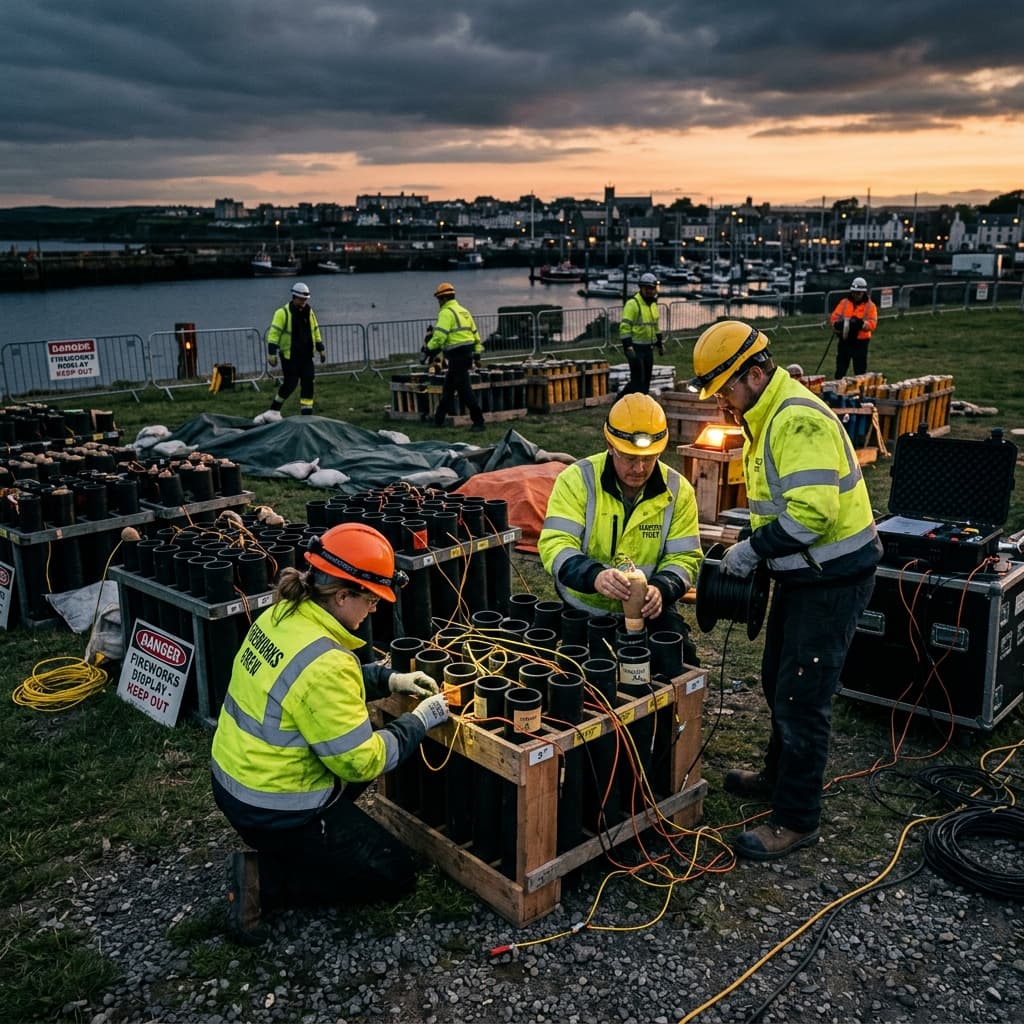 Safety guidesHow a professional fireworks display is kept safePermits, safety zones, weather calls, and what our crew actually does before, during, and after a show — a look behind the scenes of display safety.Read this
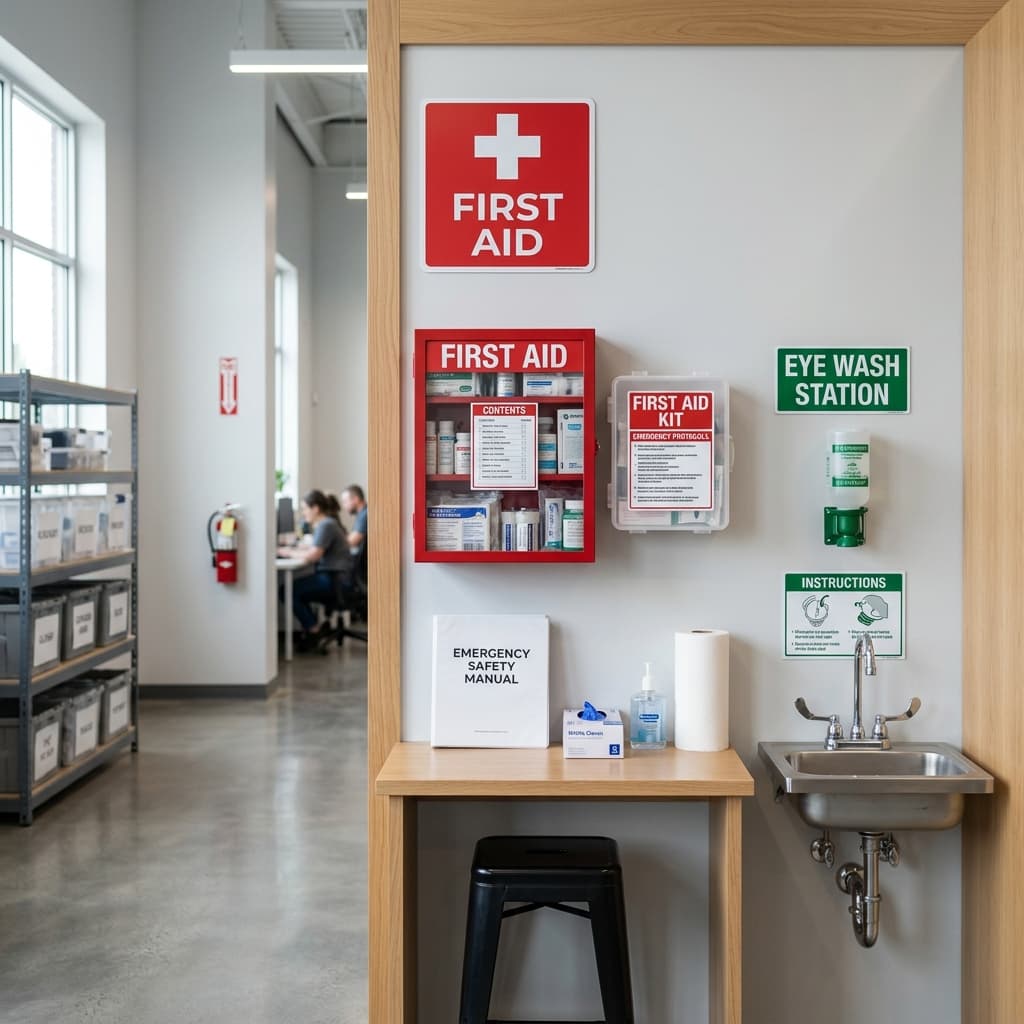 Safety guidesFirst aid for fireworks burns and injuriesThe first minutes matter most. What to do for burns, eye injuries, and blast wounds — and the common home remedies that make things worse.Read this
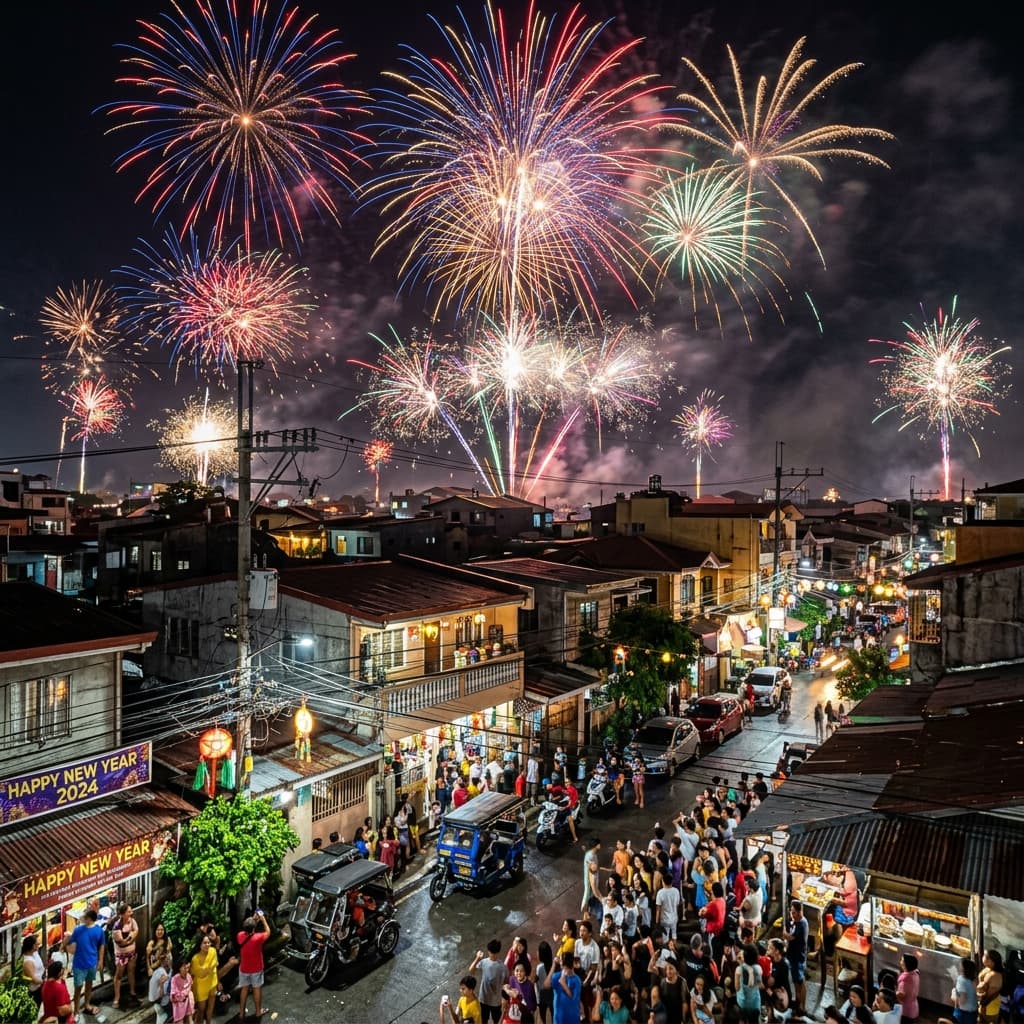 Safety guidesNew Year fireworks safety at home: a guide for Filipino familiesSimple, practical rules for a fun and injury-free Media Noche — what to buy, what to avoid, how to set up your space, and how to keep the kids safe.Read this